
Integrating Performance Analytics Across Soccer and Horse Racing for Refined Multi-Leg Betting Approaches
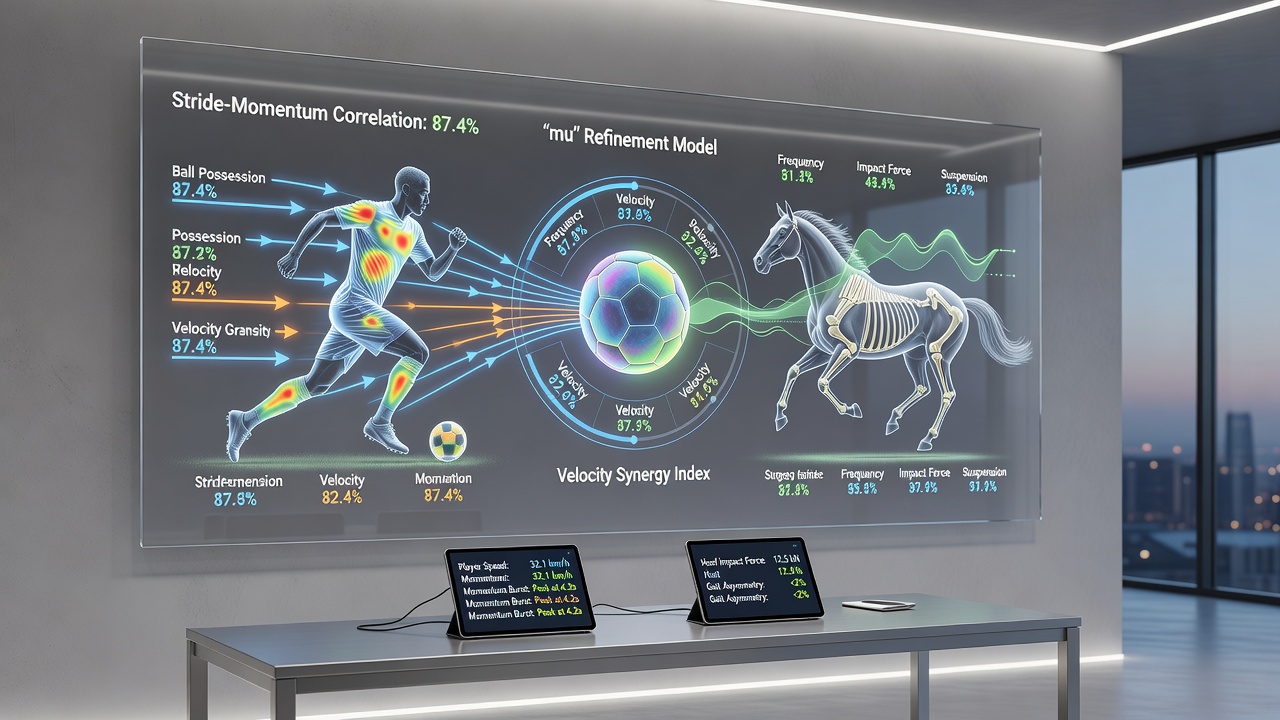
Data analysts have started combining soccer momentum indicators such as expected goal differentials, possession recovery rates, and real-time player workload metrics with equine stride analytics that track length frequency, ground contact time, and velocity decay patterns, and this layering process aims to identify correlations that could improve accuracy in multi-leg accumulator selections spanning both sports.
Core Components of Soccer Momentum Metrics
Modern soccer tracking systems record continuous data on team shape maintenance, high-intensity sprint counts, and pressing intensity throughout matches, while these figures feed into models that quantify shifts in control and fatigue accumulation. Researchers at institutions like the Canadian Sport Institute have documented how aggregated player tracking outputs correlate with second-half performance drops, and such patterns become relevant when bettors construct legs that depend on late-game outcomes in combined soccer and racing wagers.
Key Elements in Equine Stride Analytics
Horse racing data providers capture stride parameters through saddle-mounted sensors that measure step cadence, propulsive force, and asymmetry indices during each furlong segment, and studies from Australian racing authorities show these variables often predict final sectional times with measurable consistency. Observers note that early-race stride efficiency frequently signals a horse's ability to maintain pace under pressure, which creates potential parallels when linking such metrics to soccer legs involving teams with strong closing tendencies.
Methods for Cross-Sport Data Fusion
Analysts apply statistical alignment techniques that normalize soccer momentum scores against equine fatigue curves using time-stamped event data, and this allows construction of composite indicators for accumulators where a soccer match leg and a horse race leg occur on the same day. Software platforms process these layered datasets through machine learning frameworks that flag instances where high soccer pressing metrics coincide with equine stride stability patterns observed in prior similar conditions, and evidence from European sports science reports indicates these alignments can refine probability estimates for multi-leg outcomes.
One research team examining 2025-2026 datasets found that certain stride length thresholds in horses aligned with elevated team momentum retention rates in soccer fixtures played under comparable environmental conditions, and such findings have prompted further exploration of joint modeling approaches ahead of major September 2026 events.
Practical Applications in Accumulator Construction
Bettors who incorporate these combined metrics often filter selections by matching soccer sides displaying sustained high press metrics with horses demonstrating consistent mid-race stride efficiency, and this filtering process draws on historical datasets that reveal non-random associations between the two domains. Industry reports from the North American Association of Racetrack Veterinarians highlight how biomechanical consistency in horses can parallel endurance profiles in soccer teams, creating opportunities to adjust stake distribution across multi-leg tickets when such patterns emerge in real time.
Challenges in Metric Alignment and Data Quality
Differences in data granularity between continuous soccer tracking and segmented race telemetry require careful normalization protocols, and incomplete sensor coverage during certain race distances or match phases can introduce variance that affects layered model reliability. Government statistical agencies in Canada have noted the importance of standardized collection methods across sports when evaluating predictive tools, and practitioners continue refining alignment algorithms to account for venue-specific variables that influence both soccer surfaces and racing tracks.
Emerging Trends Through September 2026
Recent advancements in wearable integration have expanded the volume of usable stride and momentum data available for analysis, and September 2026 fixtures are expected to generate additional test cases as more tracks and leagues adopt unified sensor standards. Those who have examined preliminary outputs report that cross-referenced datasets can highlight value discrepancies in accumulator pricing when momentum persistence in soccer aligns with stride durability in selected equine competitors.
Conclusion
The practice of merging soccer momentum metrics with equine stride analytics continues to evolve through improved data integration techniques and expanded sensor adoption, and ongoing research from international sports bodies supports further examination of these approaches for multi-leg selection refinement. Figures from academic and industry sources indicate measurable potential in layered modeling, though practitioners emphasize the need for robust validation across diverse event conditions.