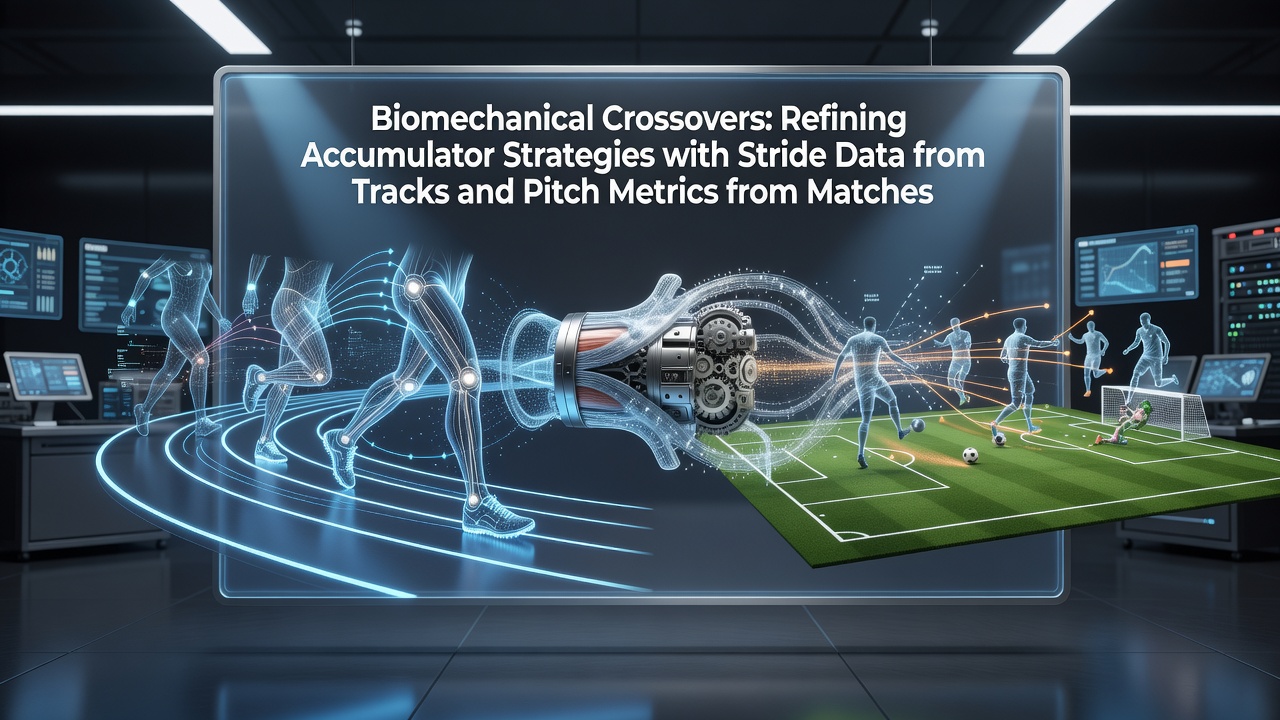
Biomechanical Crossovers: Refining Accumulator Strategies with Stride Data from Tracks and Pitch Metrics from Matches
Analysts in sports betting circles have turned to biomechanical data streams that combine stride measurements from race tracks with pitch performance indicators from soccer matches, and this integration helps refine accumulator selections across both disciplines. Data collection tools capture stride length, frequency, and ground reaction forces during equine events while wearable sensors and video analysis record player acceleration, deceleration, and directional changes on football pitches, creating layered datasets that reveal performance consistencies or vulnerabilities. Observers note that these metrics allow for more precise correlation checks when building multi-leg bets that span horse racing and soccer outcomes on the same betting slip.
Integration of Stride Analytics and Pitch Metrics
Stride data from thoroughbred and harness racing circuits provides measurable indicators of equine fatigue and recovery patterns, whereas pitch metrics from professional soccer leagues track player workload through distance covered, sprint counts, and high-intensity efforts. Researchers have documented how combining these sources identifies overlapping fatigue signals, such as reduced stride efficiency in horses following demanding race schedules that mirror similar drops in sprint output among footballers after congested fixture periods. In August 2026 analysts reported increased use of cross-referenced biomechanical feeds in accumulator construction, particularly when linking a horse's post-race stride recovery to a football team's expected pressing intensity in upcoming matches. This approach avoids isolated sport analysis and instead treats biomechanical outputs as shared variables that influence joint probability estimates in multi-bet structures.
Practical Applications in Accumulator Construction
Betting syndicates and data teams apply these crossover datasets to filter accumulator legs by matching biomechanical profiles across events. One documented workflow involves cross-checking a horse's recent stride asymmetry against a soccer squad's collective high-speed running totals from the prior week, allowing selectors to adjust implied probabilities when both legs appear on the same ticket. Figures from industry reports indicate that such layered filtering reduces variance in accumulator payout patterns by aligning physical output trends rather than relying solely on historical form or odds movement. Those who have examined the process describe it as connecting independent performance signals through shared biomechanical language, where a decline in equine stride frequency might parallel a measurable drop in team pressing metrics on grass surfaces.
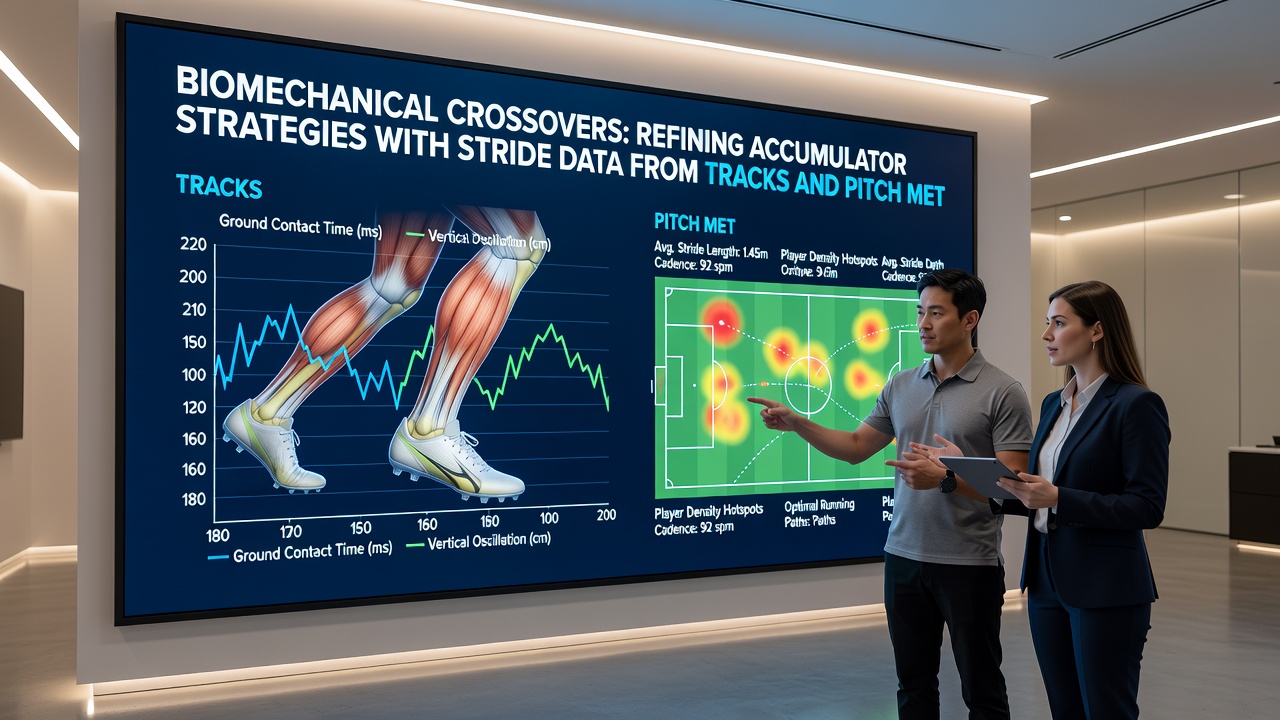
Case examples show analysts examining stride recovery curves from Australian and European racing meets alongside UEFA league pitch data to time accumulator entries during specific training cycles. The method requires consistent data formatting so that stride velocity measurements translate into comparable units with player acceleration profiles, enabling direct statistical overlays. Government statistical agencies in regions such as Australia have published baseline activity reports that support these cross-sport comparisons when biomechanical variables are isolated from broader participation numbers.
Technical Considerations and Data Quality
Accuracy depends on sensor calibration, sampling frequency, and environmental adjustments for track surfaces or pitch conditions. Studies published in biomechanics journals highlight that stride data collected at 100 Hz resolution captures subtle gait changes more reliably than lower-frequency outputs, while soccer pitch metrics benefit from synchronized multi-camera systems that validate GPS readings. When these technical standards align, the resulting datasets support regression models that test whether stride decline in one sport predicts analogous output drops in the other, providing quantitative backing for accumulator adjustments. Observers have noted that mismatched data resolutions introduce noise that weakens cross-sport correlations and reduces the reliability of any derived edges.
Industry organizations such as the International Society of Biomechanics have compiled methodological guidelines that cover both equine and human movement analysis, offering frameworks for standardizing measurements across disciplines. These resources help data teams maintain consistency when importing stride and pitch variables into accumulator modeling pipelines. Researchers continue to explore how surface type, weather, and recovery intervals interact with biomechanical outputs, since these external factors influence the stability of the crossover signals used in betting calculations.
Conclusion
Biomechanical crossover techniques continue to evolve as data collection expands across race tracks and soccer pitches, supplying measurable inputs that inform accumulator construction without replacing traditional statistical approaches. The combination of stride and pitch metrics creates additional verification layers that analysts apply when assessing joint event probabilities, and ongoing refinements in sensor technology and analytical methods sustain this development. Data from multiple regions demonstrates the feasibility of translating physical performance indicators into shared variables that support multi-sport betting structures while maintaining objective measurement standards.